Things to Do Around Hikkaduwa & Rathgama
We are Eranorris, a family of villa hosts living in Hikkaduwa and Rathgama — and this is our honest local guide to the things to do around Hikkaduwa and Rathgama, from beaches and wildlife to quiet corners most visitors drive straight past. Where we run a bookable version of something, we link to it on our experiences page; everything else you can easily arrange yourself, and we're always happy to help with directions or a tuk-tuk.
Hikkaduwa Beach & Coral Sanctuary
Hikkaduwa's long golden beach is the reason most travellers first come to this stretch of coast — and it earns it. There's space to swim, surf, and stretch out on the sand, with beach restaurants serving fresh seafood as the sun goes down. At the northern end lies the coral sanctuary, a protected reef area just off the shore where you can snorkel among tropical fish; glass-bottom boats operate for those who'd rather stay dry. Sea turtles are regularly spotted grazing in the shallows here. The beach is between one and three kilometres from our Hikkaduwa villas, an easy tuk-tuk hop or a pleasant walk in the cooler hours.
Hikkaduwa Sea Turtle Hatchery
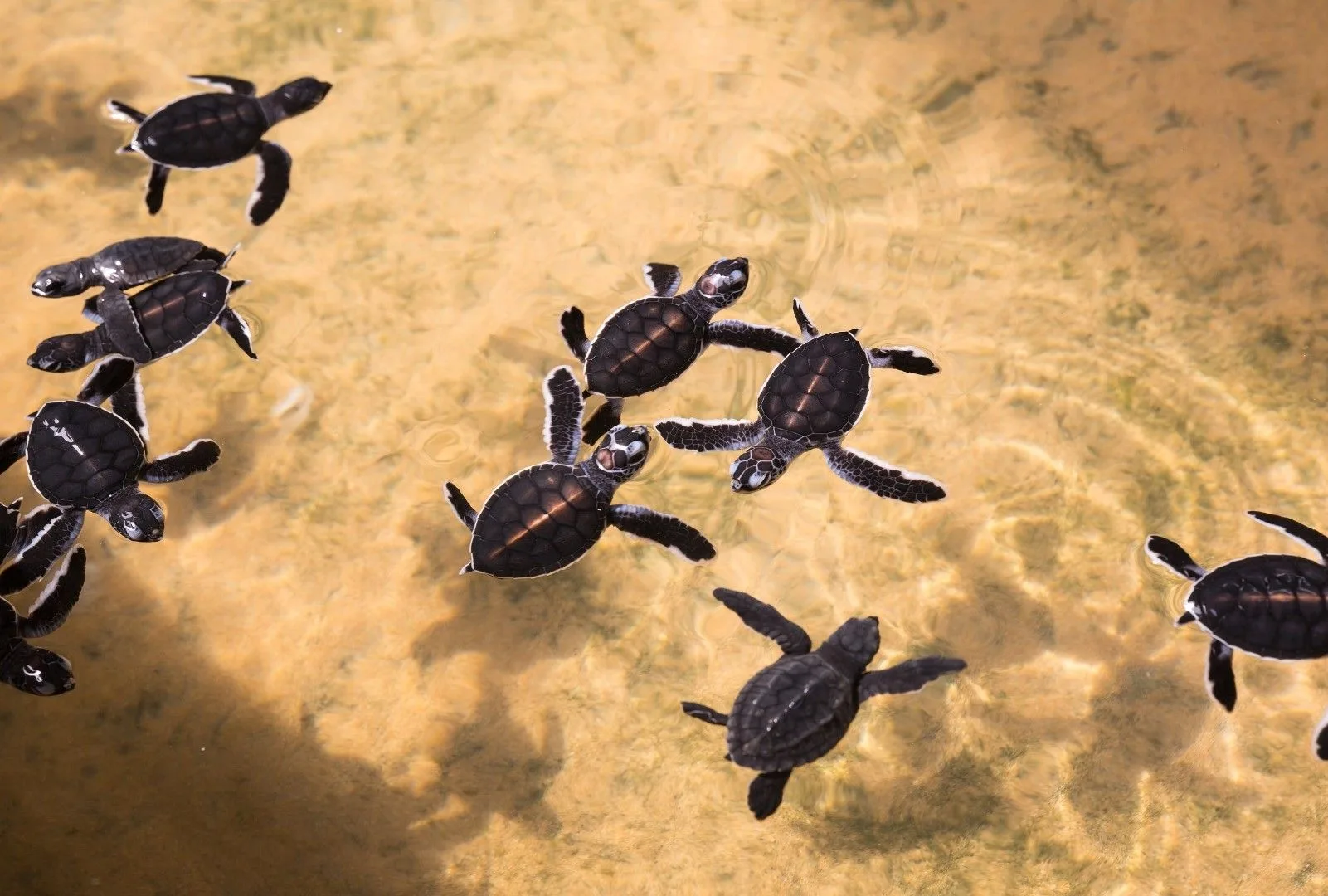
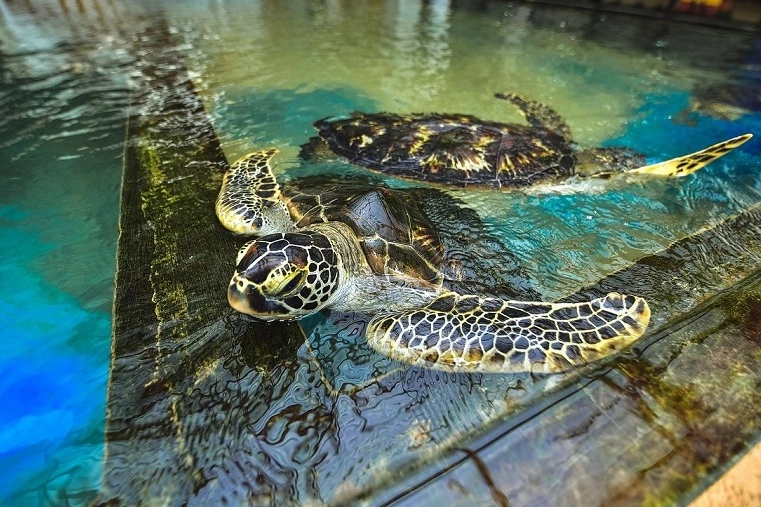
The Hikkaduwa turtle hatchery is one of the area's most loved stops, especially for families. Hatcheries along this coast collect eggs that would otherwise be at risk from poachers and predators, protect them until they hatch, and release the hatchlings safely into the sea. You'll see tanks with day-old turtles, several different species, and often a few injured adults being nursed back to health before release. A visit is short, personal, and genuinely educational — you will leave knowing your entry fee supports the conservation work. We include the hatchery in our Tour Around Hikkaduwa.
Tsunami Museum
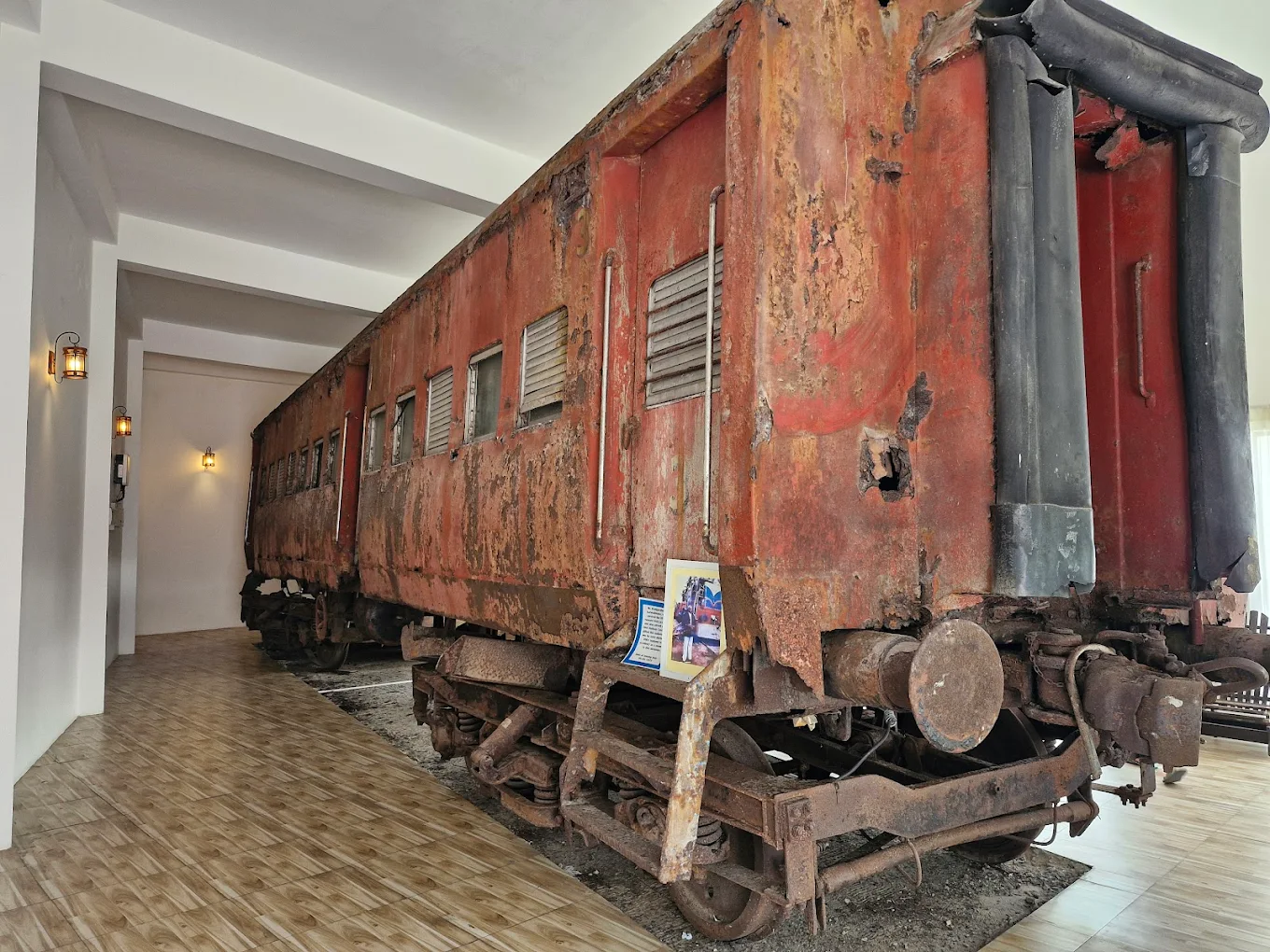
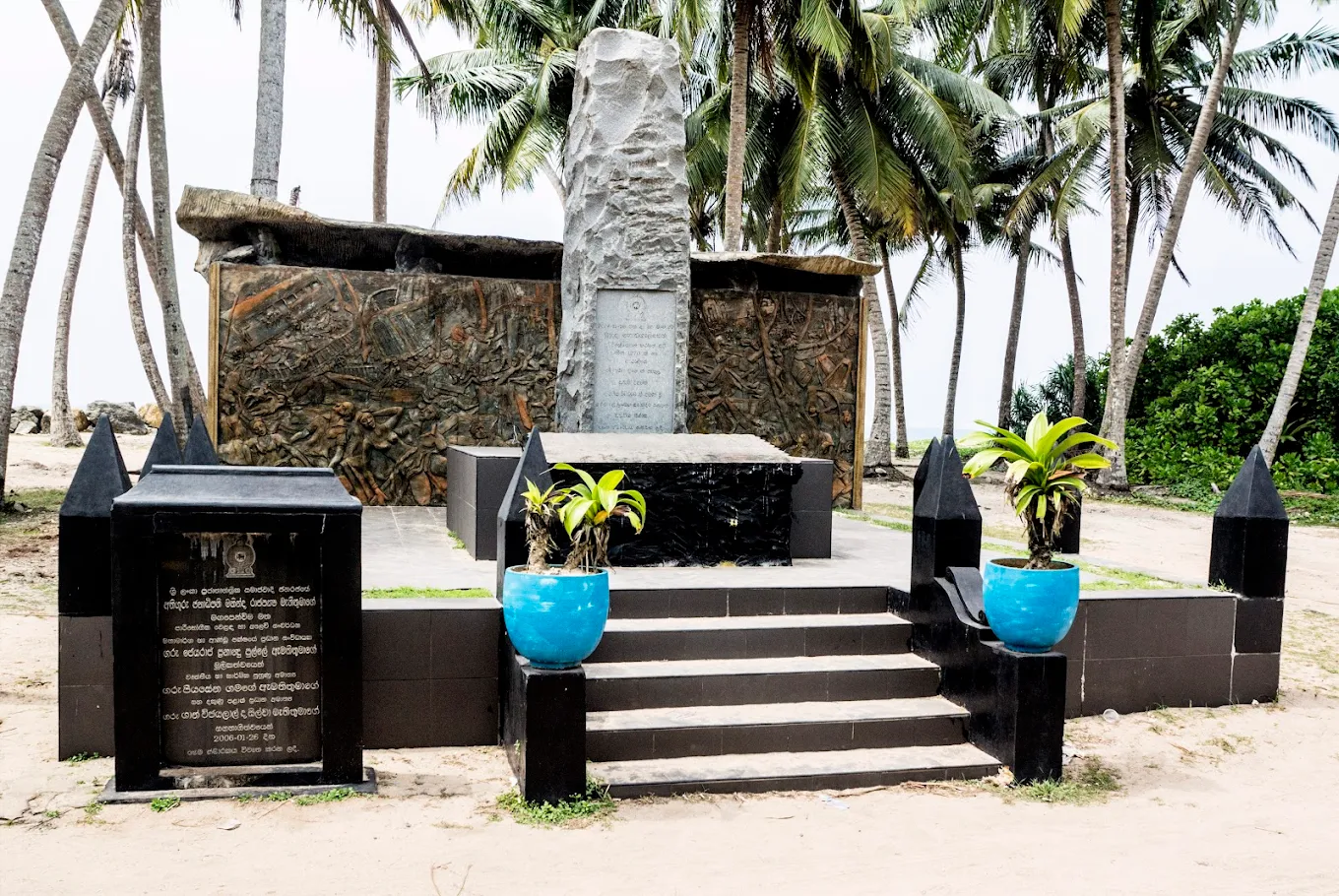
The Tsunami Museum near Hikkaduwa commemorates the Indian Ocean tsunami of 26 December 2004, which devastated this coastline and changed the lives of almost every family here — including people we know and love. Through photographs and personal accounts, the museum tells the story of that day and of the years of recovery that followed. It is not a lighthearted stop, and it isn't meant to be: visitors describe it as moving, humbling, and important for understanding the community you are staying in. Entry donations support those affected. The museum opens daily from 9 a.m. Please visit with the quiet respect the subject deserves; it is included, for those who wish, in our Tour Around Hikkaduwa.
Herbal Cloth Weaving Workshop
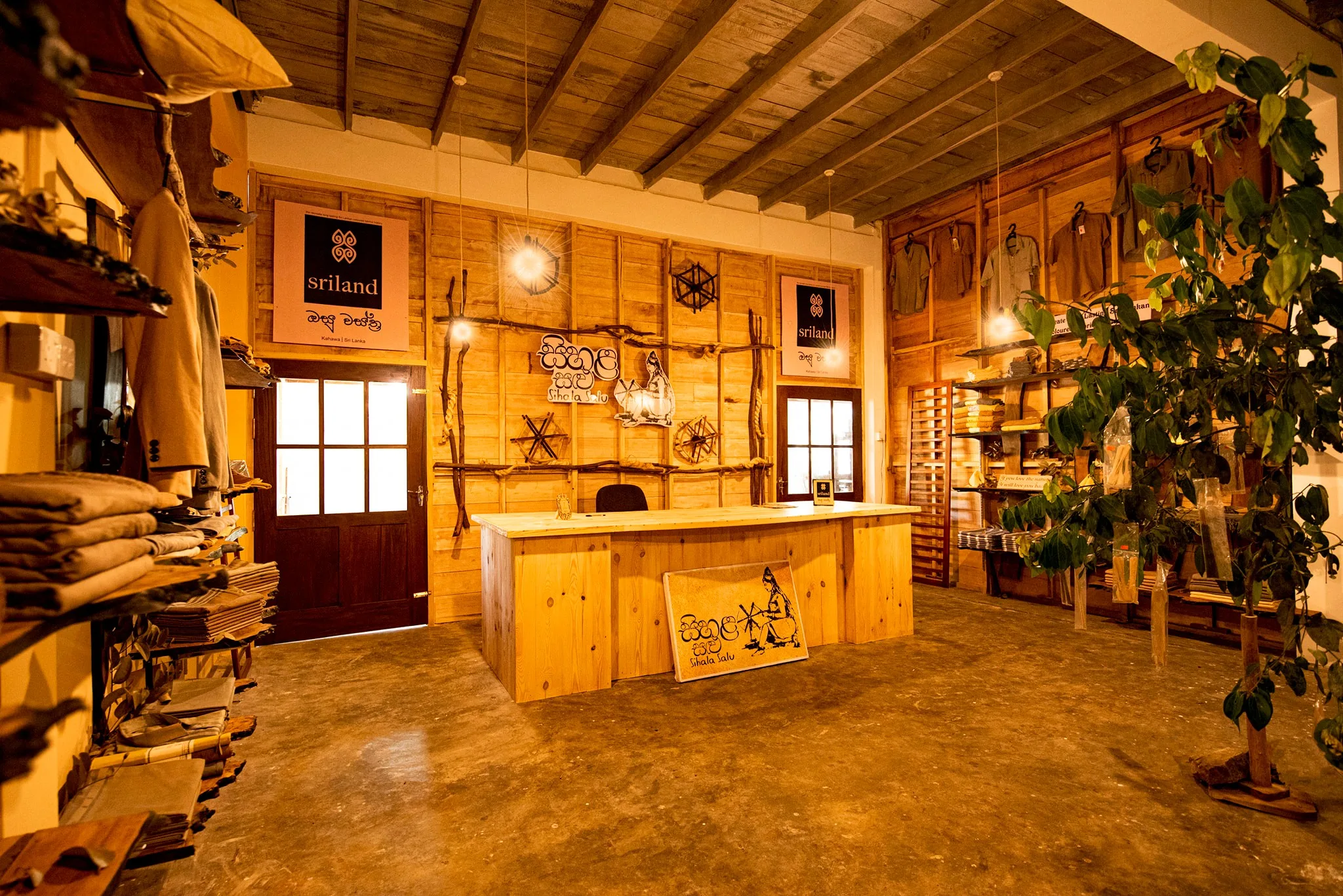
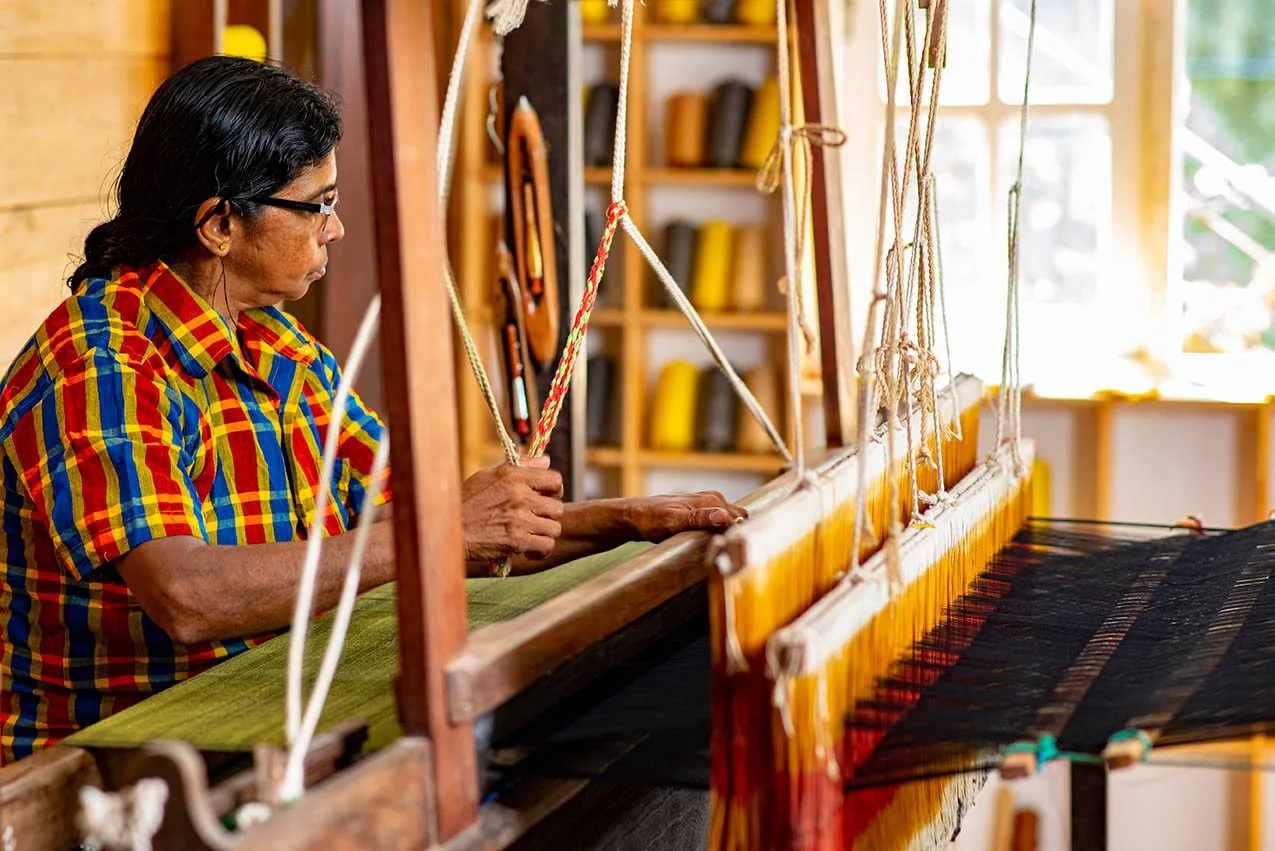
One of the quieter treasures near Hikkaduwa is a small workshop where cloth is woven on traditional handlooms and coloured with natural herbal dyes. You can watch the whole process — from spinning and dyeing to the rhythmic clatter of the loom — and talk to the makers themselves. The finished fabrics, scarves, and garments are sold on the spot, so anything you take home comes directly from the people who made it. It's a lovely counterpoint to the beach: cool, calm, and full of craft. This stop is part of our Tour Around Hikkaduwa.
Rathgama Lagoon — Kayaking & Birdlife
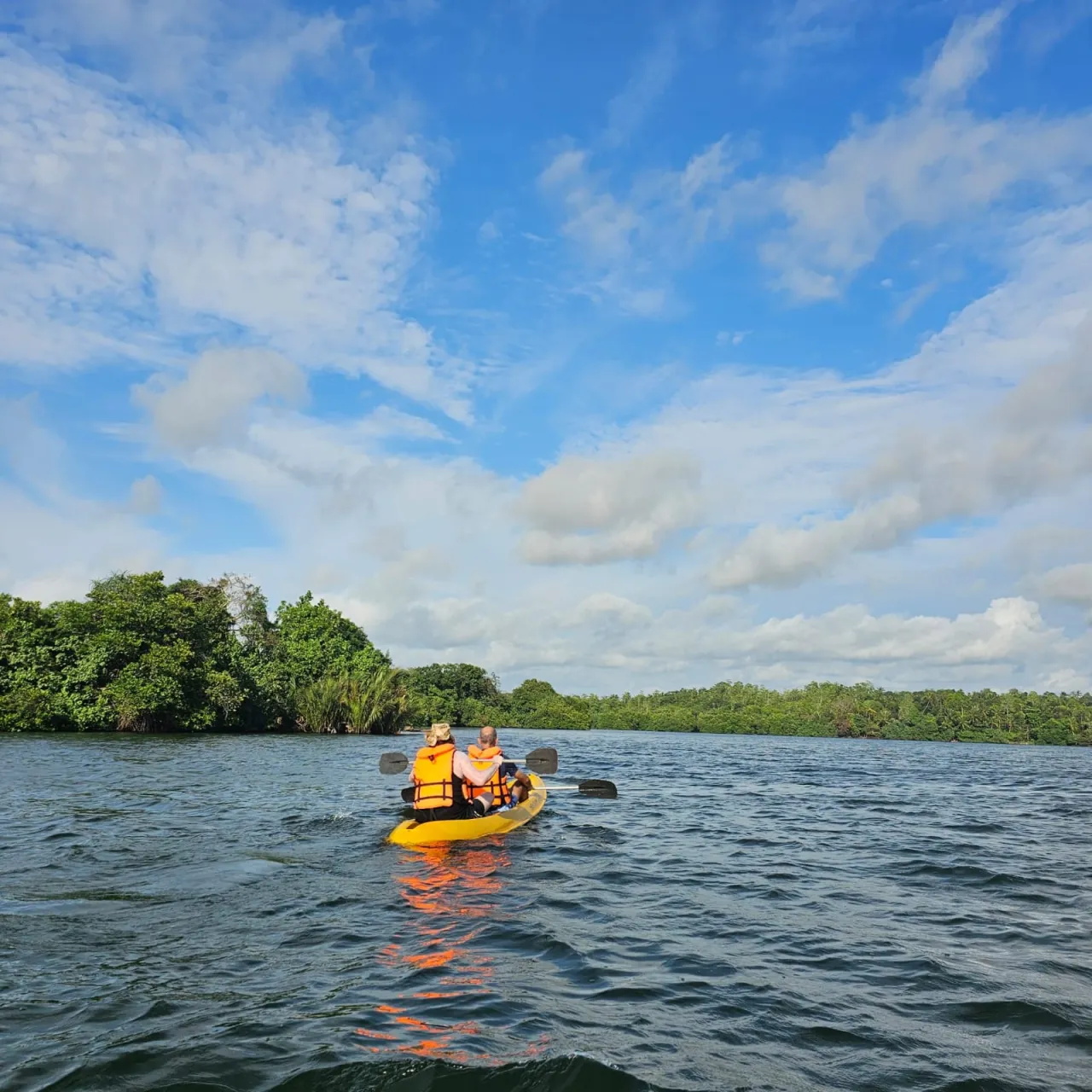
Rathgama Lagoon is our home water — calm, green, and ringed by mangroves, with cormorants, kingfishers, and herons going about their day. Kayaking here at sunrise or sunset is one of the most peaceful things you can do on this coast: no engines, no crowds, just the sound of your paddle. Beginners are fine — the water is sheltered and flat. The lagoon sits just 50 metres from our Birdsong Villa, and we run a guided kayaking experience on Rathgama Lagoon with all equipment provided, including tandem kayaks for couples.
Cinnamon Experience
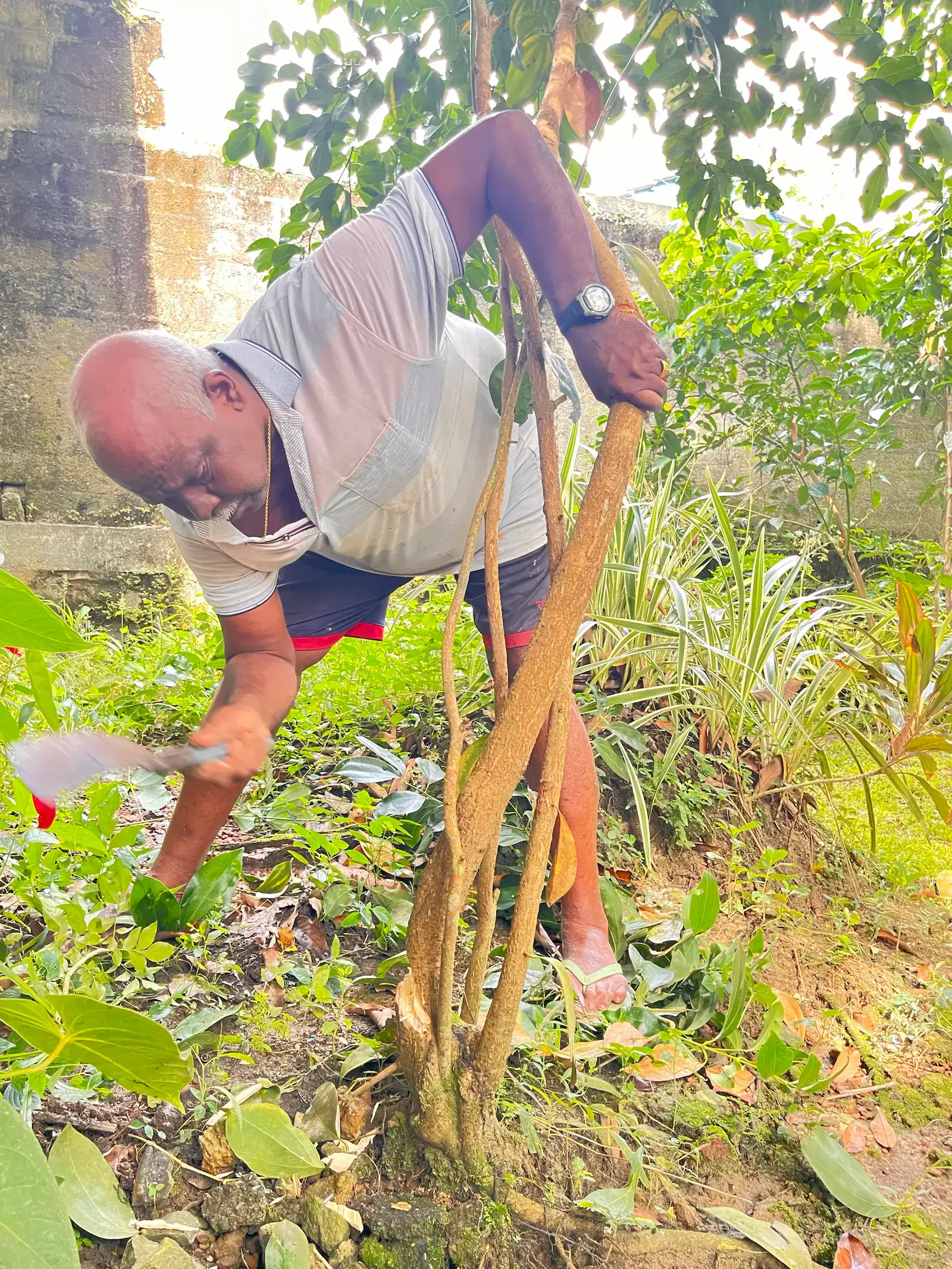
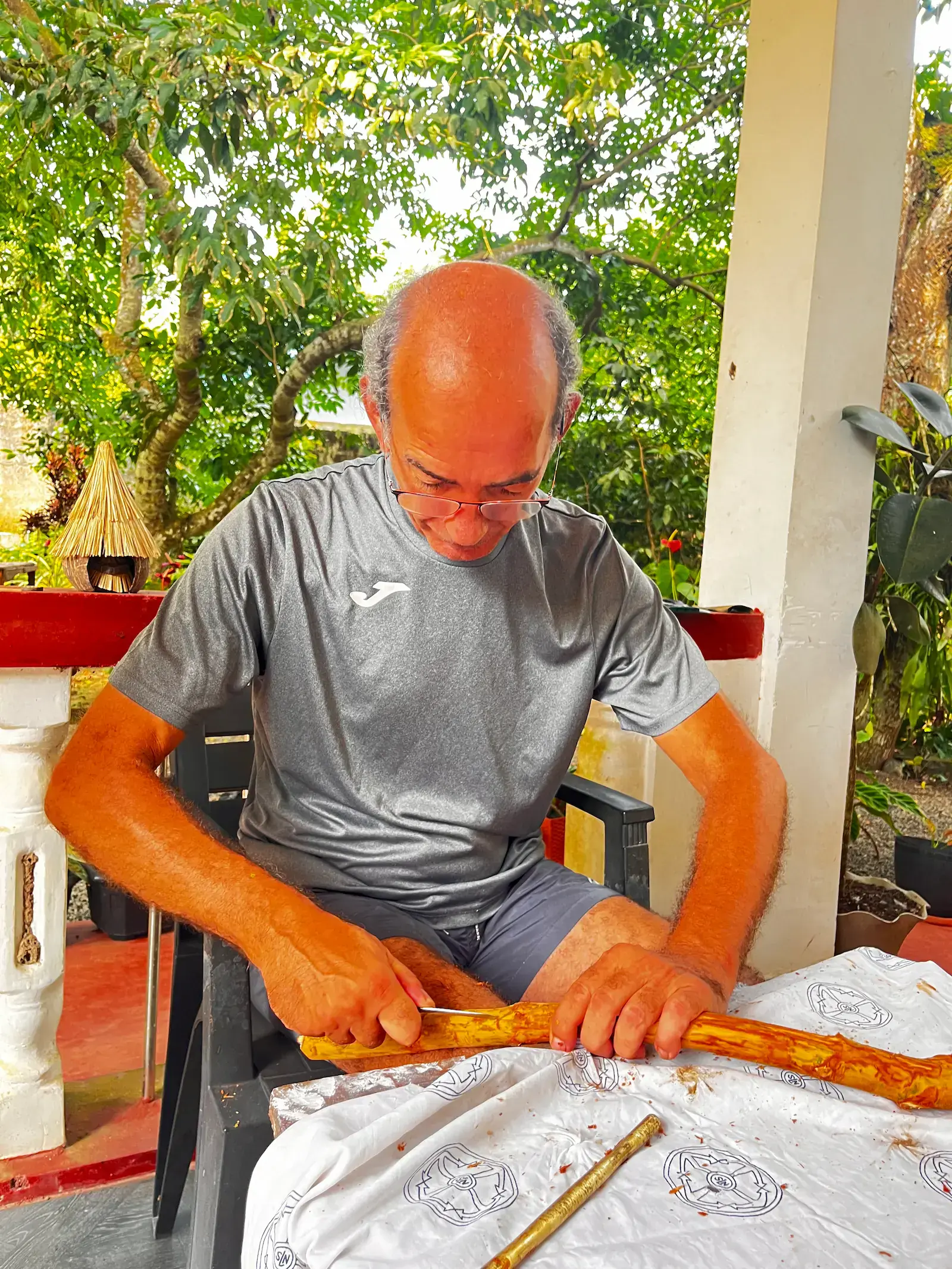
Sri Lanka is the home of true Ceylon cinnamon, and the hills and gardens around Hikkaduwa and Rathgama are working cinnamon country. Visiting a smallholding is a hands-on lesson in a craft passed down through generations: watch the bark being harvested and peeled into fragrant quills, try the carving yourself, and taste cinnamon tea fresh from the source. It's the kind of experience that changes how you see a spice you've used all your life. We host our own cinnamon experience with a local grower, often finished with a traditional Sri Lankan lunch.
Galle Fort Day Trip
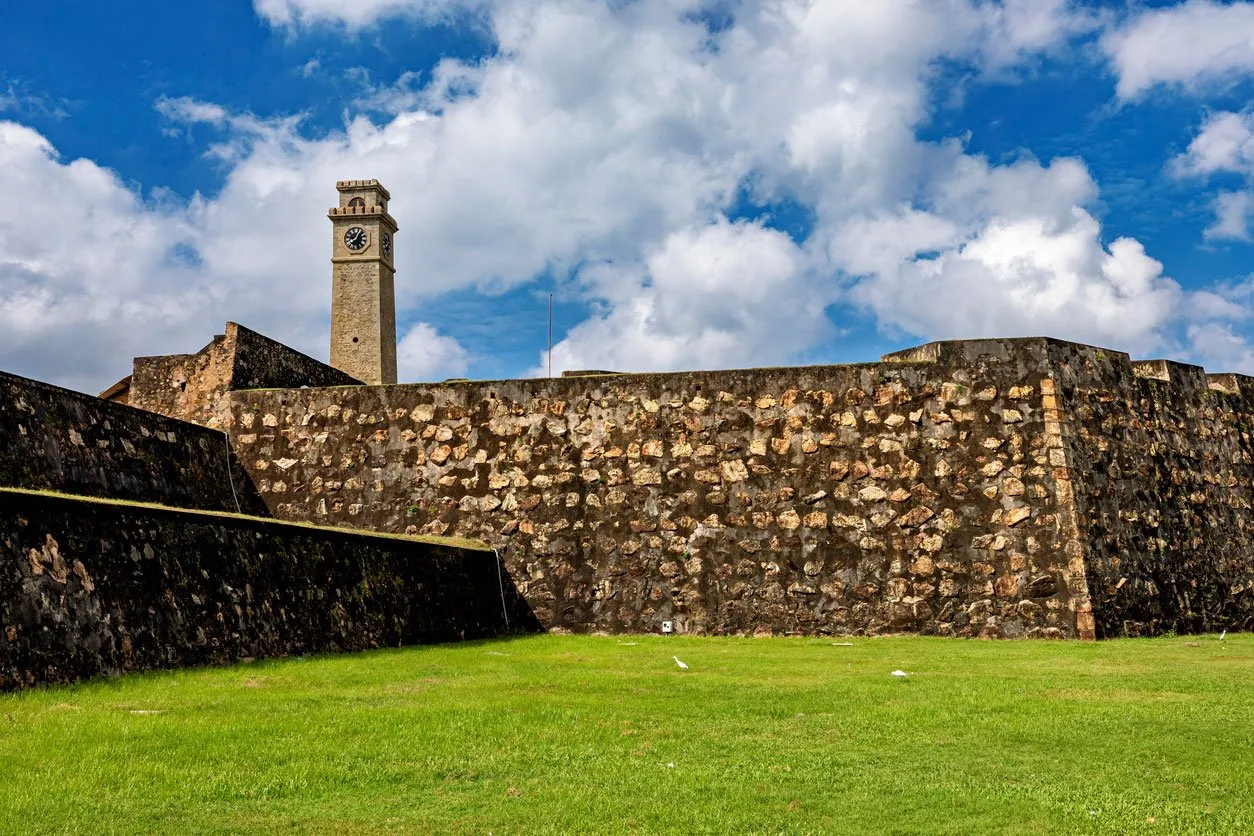
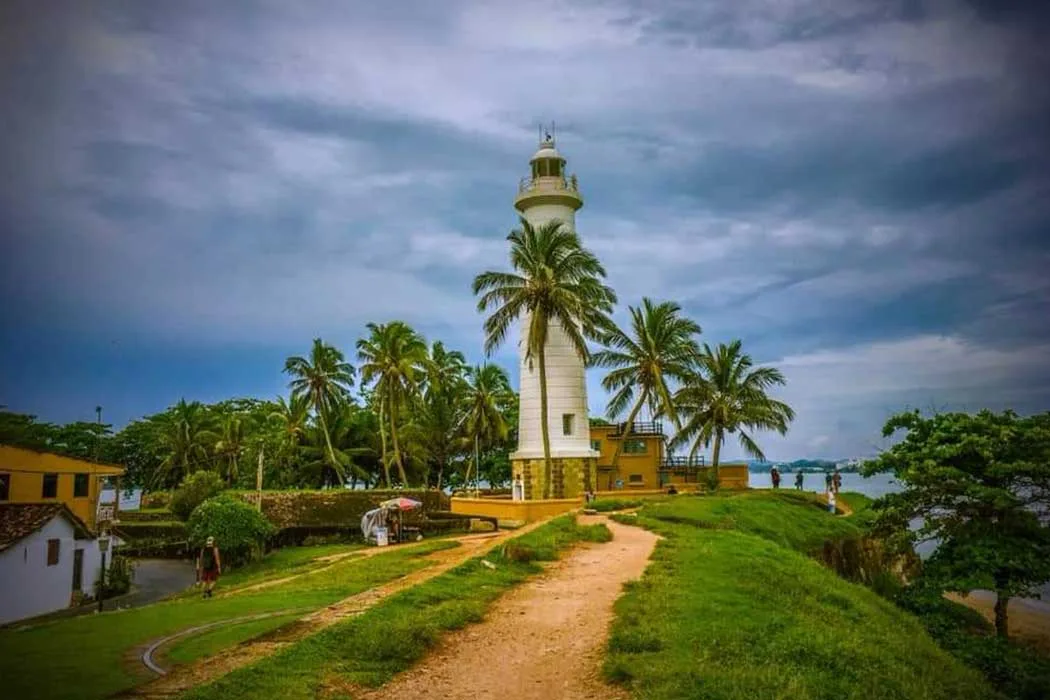
Galle Fort is the south coast's showpiece — a UNESCO World Heritage site where Dutch colonial ramparts enclose a living town of cobbled streets, boutique cafés, galleries, and the famous white lighthouse above the sea wall. Walk the ramparts at golden hour, browse the little shops, and watch local kids leap from the bastions into the ocean. It's an easy day trip from Hikkaduwa by tuk-tuk, car, or the coastal railway — the tuk-tuk ride takes around 25 minutes. We offer Galle Fort as part of our Whale Watching Mirissa & Galle tour, or as a stop we'll gladly arrange on its own.
Stilt Fishermen of the South Coast
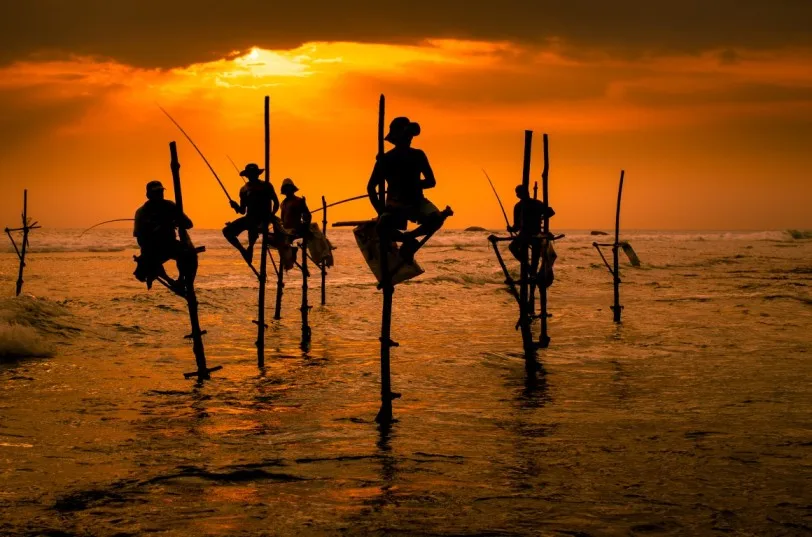
The stilt fishermen are one of Sri Lanka's most iconic sights: men perched on slender wooden poles planted in the surf, line in hand, exactly as their fathers and grandfathers fished before them. You'll find them along the coast south of Hikkaduwa, around the Koggala and Ahangama stretch, usually in the early morning or late afternoon. If you stop to photograph them, do it respectfully — a small tip is customary and fair, since posing for visitors is now part of how these fishing families make a living. It combines naturally with a Galle or Mirissa day trip.
Coconut Tree Hill & Jungle Beach
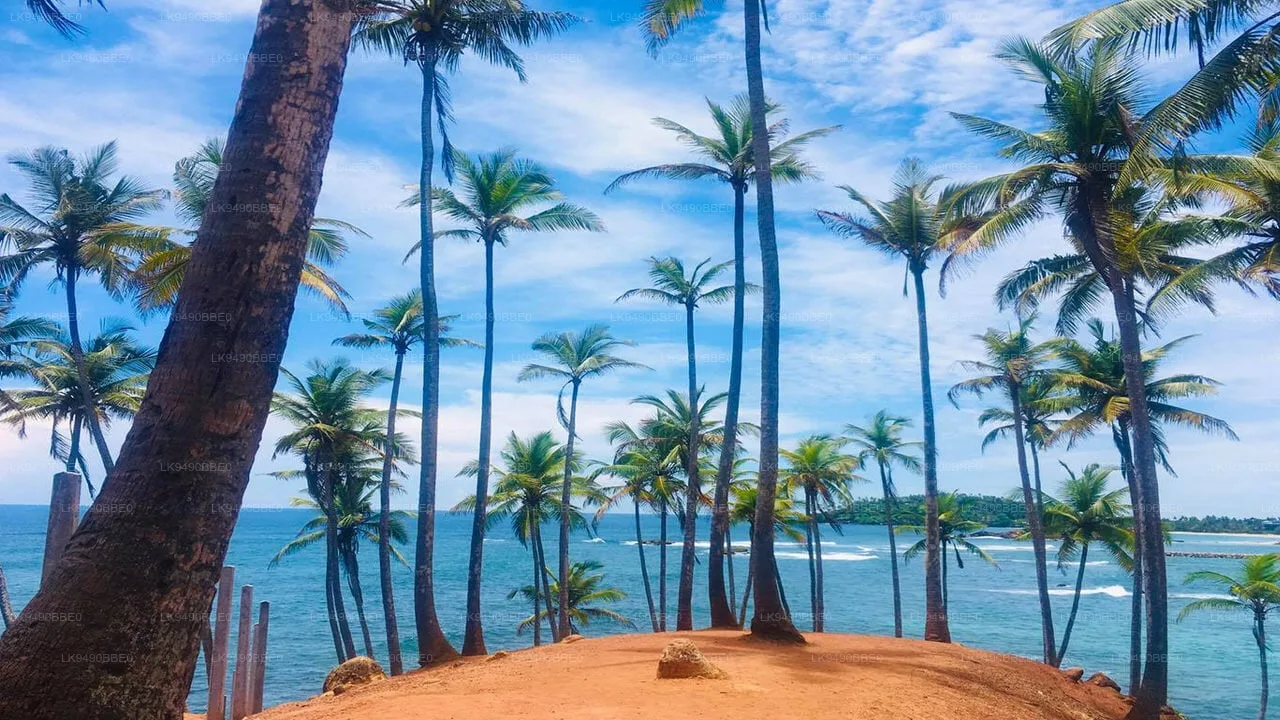
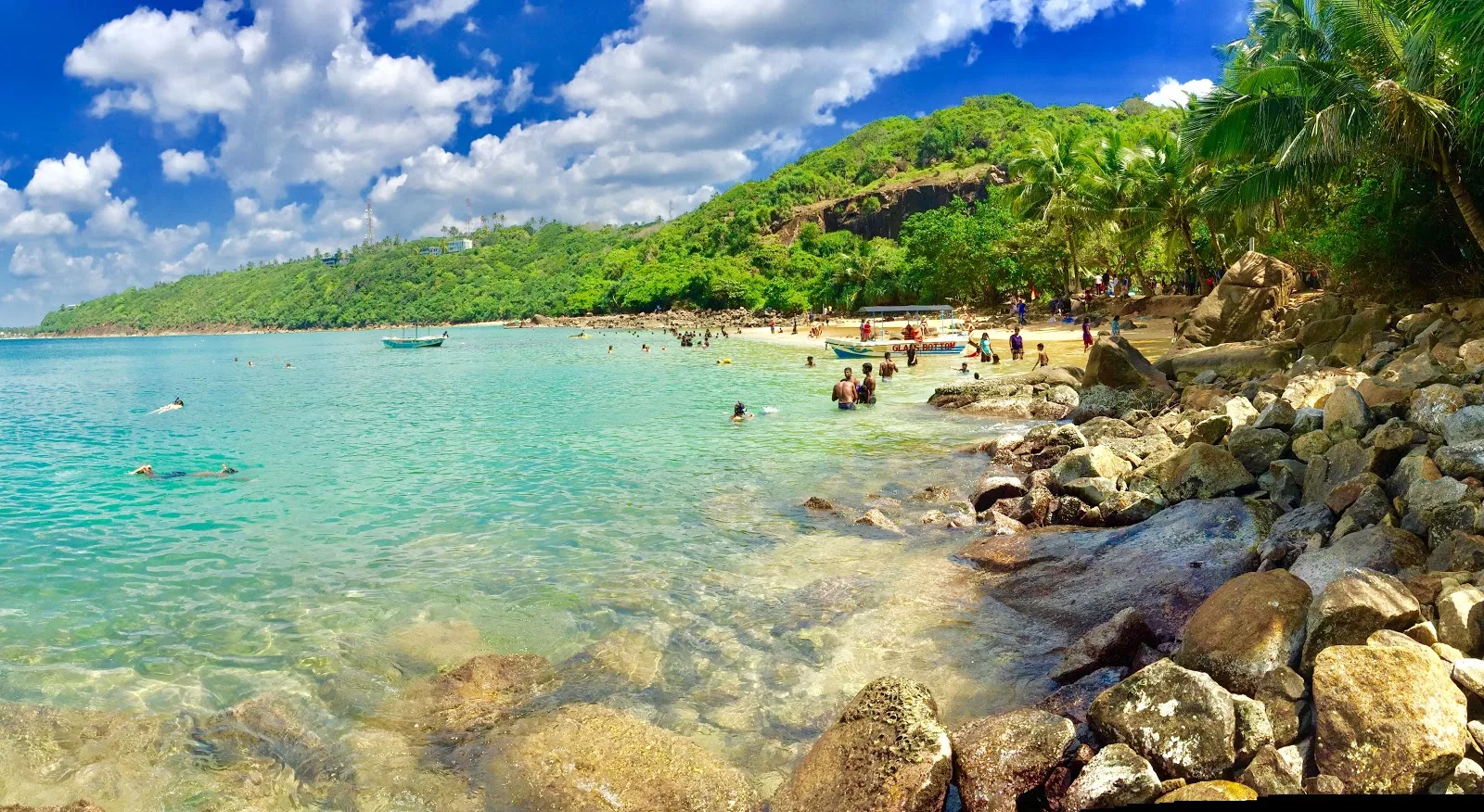
Two of the south coast's most photographed spots make easy add-ons to any day trip toward Galle and Mirissa. Coconut Tree Hill in Mirissa is a headland covered in a neat grove of coconut palms above the ocean — you've almost certainly seen it on Instagram, and at sunset it really is that beautiful. Jungle Beach, tucked below the forested Rumassala hill near Unawatuna, is a small sheltered cove reached by a short walk through the trees, good for a quiet swim away from the main beaches. Bring water, sunscreen, and your camera.
Madu River Boat Safari & Mask Carving
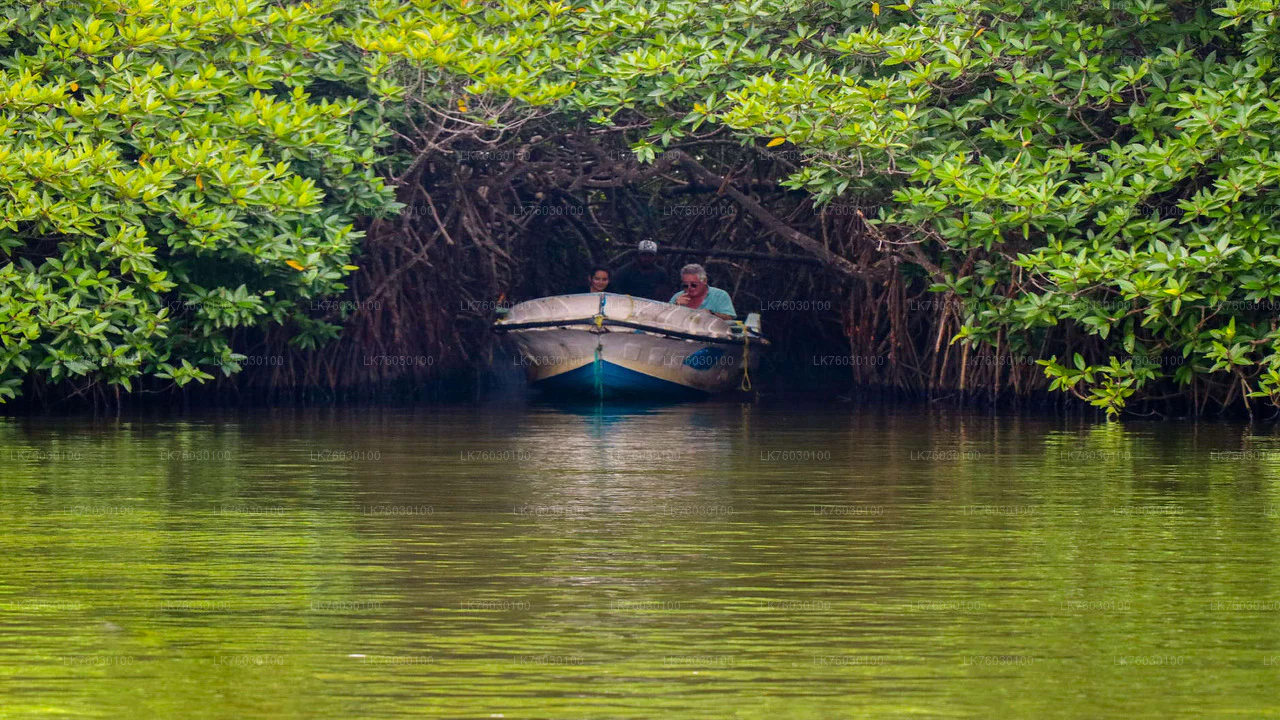
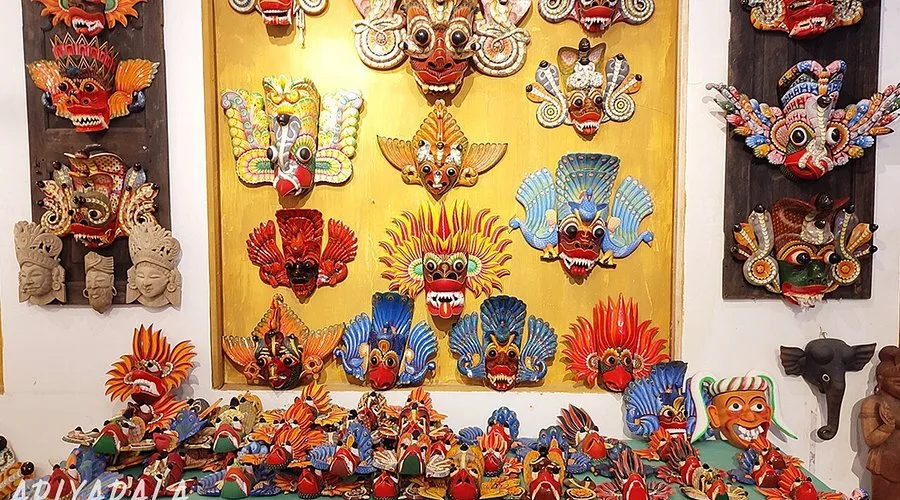
North of Hikkaduwa, the Madu River opens into a broad wetland of islands and mangrove channels — a protected Ramsar site teeming with monitor lizards, kingfishers, eagles, and darting fish. A boat safari glides you through shadowy mangrove tunnels and past river islands, including one where cinnamon has been peeled for generations. The same outing pairs beautifully with the region's famous tradition of wooden mask carving: intricately painted masks used in dance and ritual, which you can see being made and displayed at a dedicated mask museum. Both are part of our Madu River Boat Safari & Mask Museum experience.
Whale Watching in Mirissa
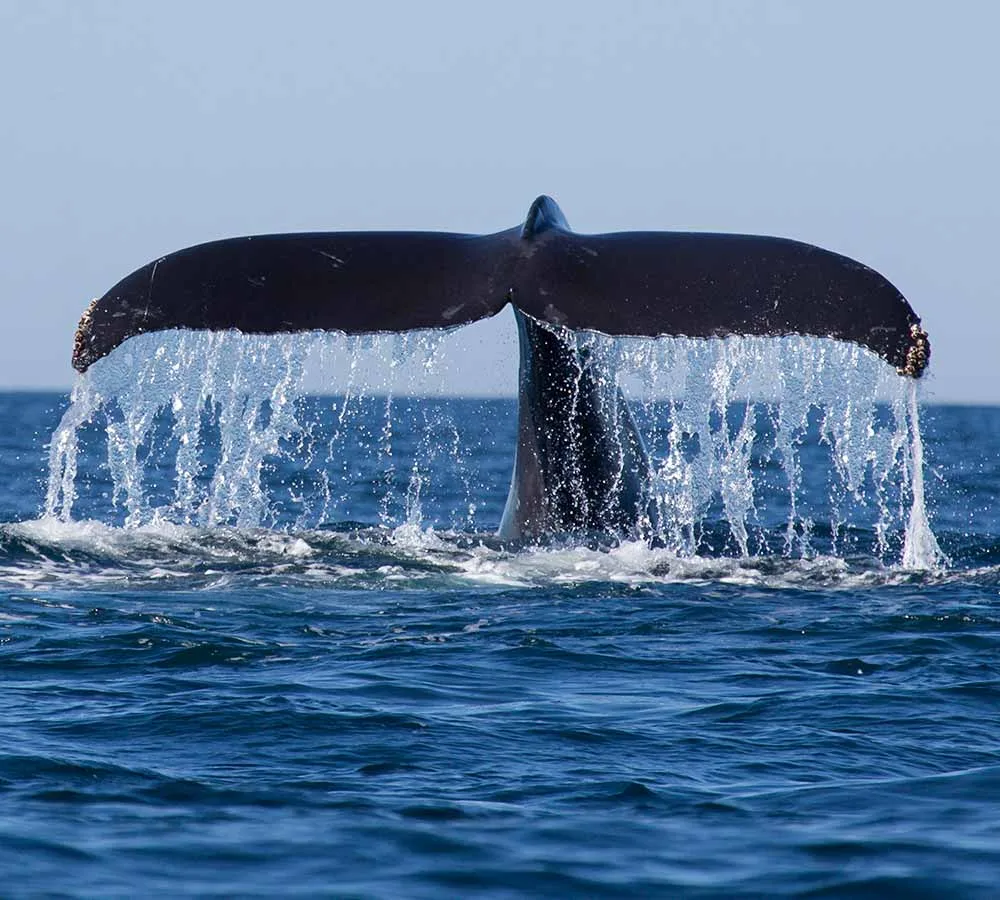
The deep waters off Mirissa are one of the best places in the world to see blue whales — the largest animals ever to live — along with sperm whales, spinner dolphins, and sometimes orcas. Boats leave Mirissa harbour early in the morning, when the sea is at its calmest, and the season is generally considered best between November and April. It's a long, salty, unforgettable morning; bring sun protection and motion-sickness tablets if you're prone. Pickup from the villas is at around 8 a.m. We arrange the trip, including transport, as part of our Whale Watching Mirissa & Galle tour.
Further Afield: Yala National Park Safari
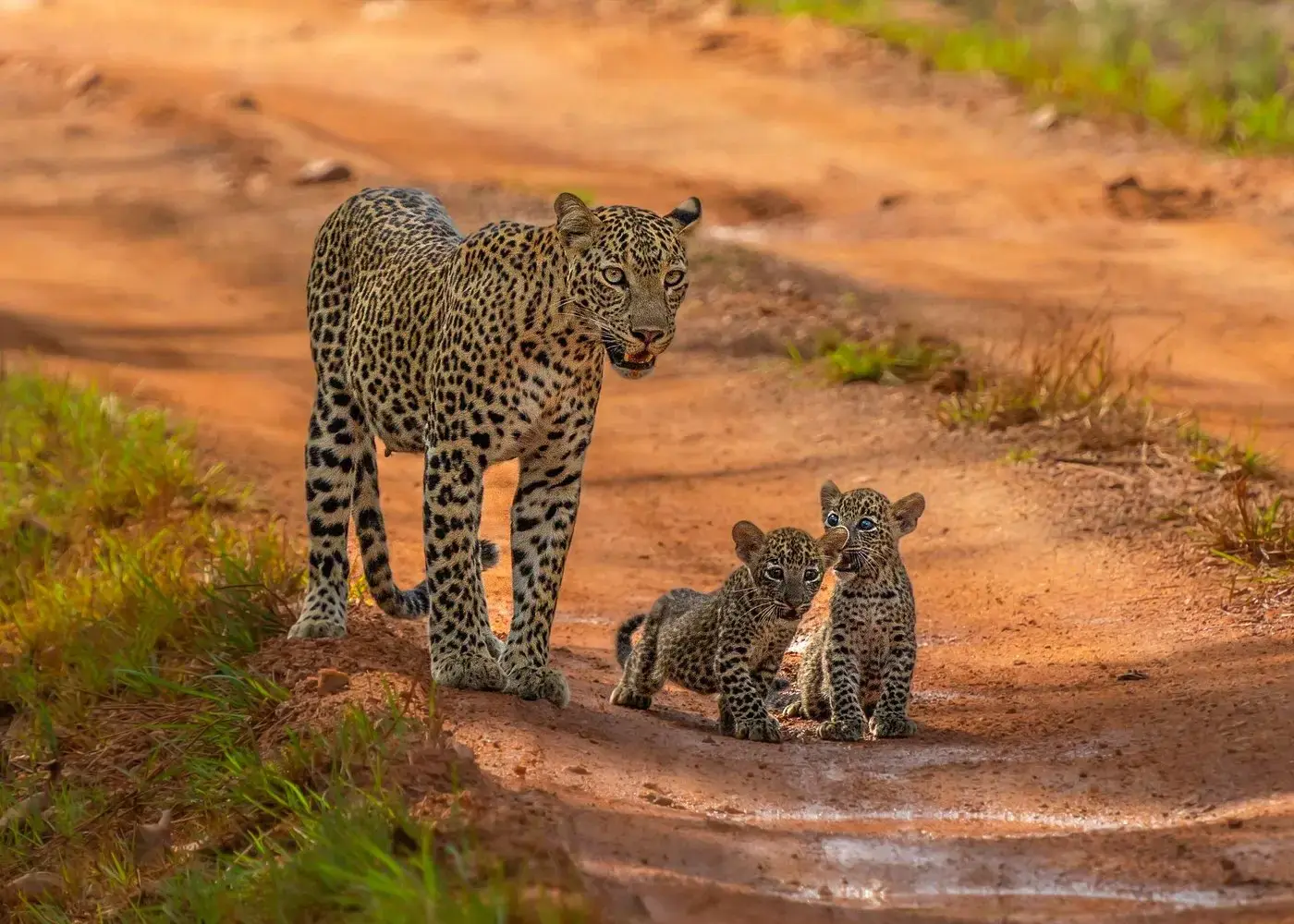
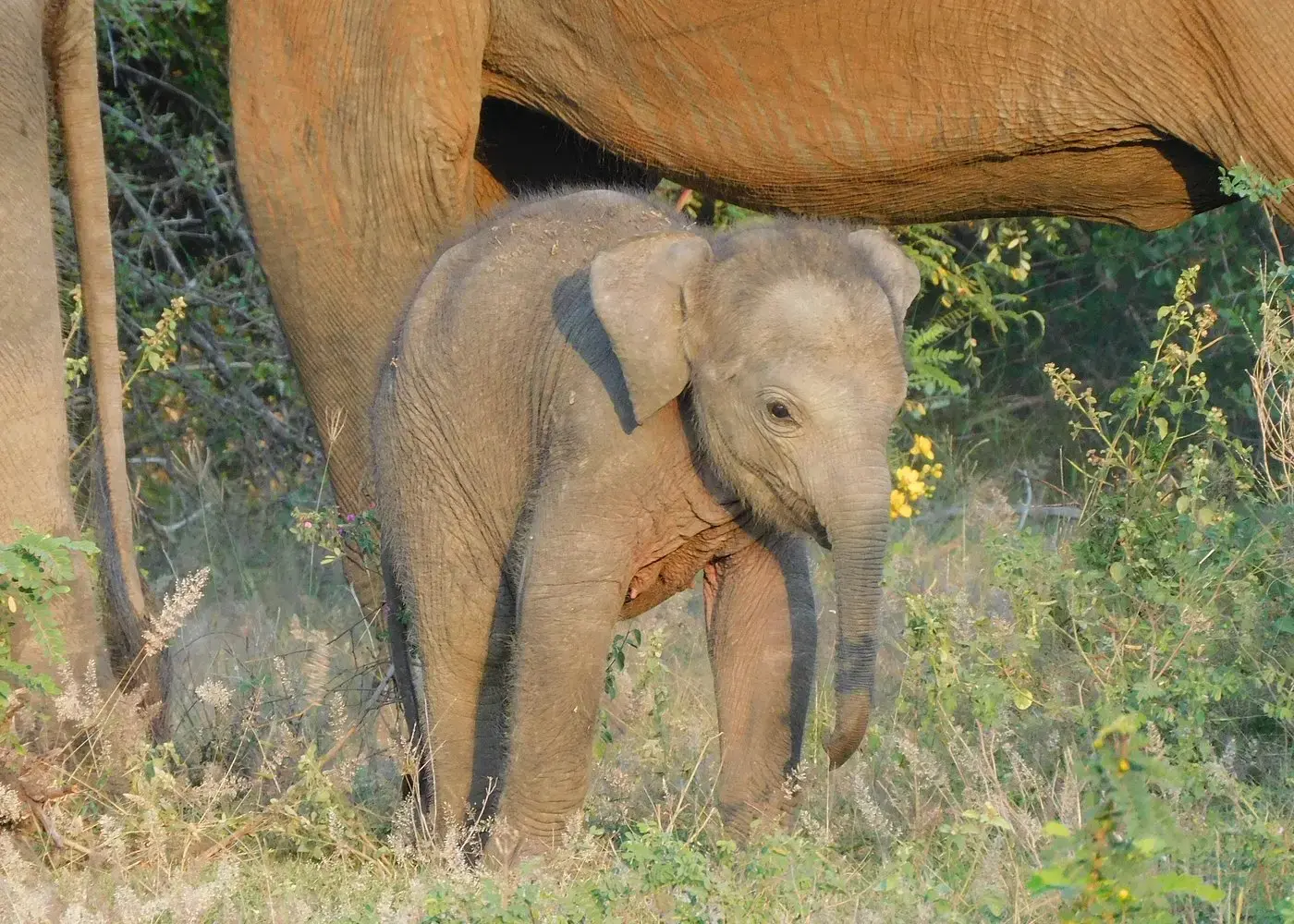
If you have a full day to spare, Yala National Park is Sri Lanka's most famous wilderness — and home to one of the highest densities of leopards anywhere on earth. From an open safari jeep you can also expect elephants, crocodiles, sloth bears if you're lucky, wild buffalo, and a spectacular cast of birds. It's a long day with a very early start, and worth every minute of it. We organise the whole outing — jeep, driver, park tickets, and pickup from your villa, timed to the safari session you choose — as our Yala National Park Safari.
Staying nearby makes all of this easy. Have a look at our villas in Hikkaduwa and Rathgama, or message us on WhatsApp — as local hosts, we're happy to help you plan, whether you've booked with us or not.